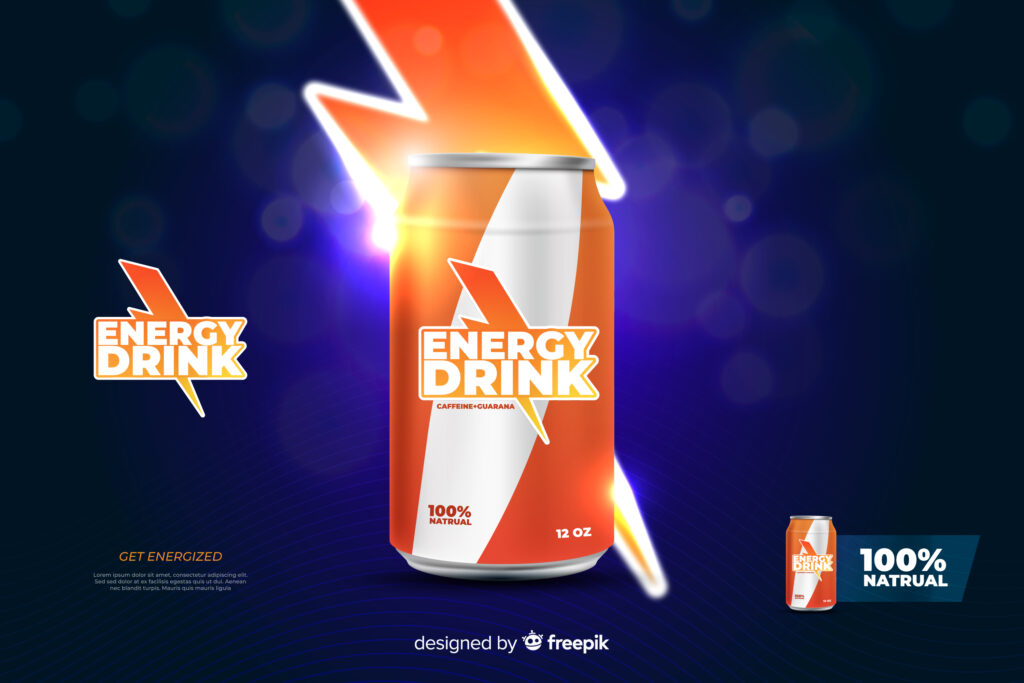
Feeling tired after class, work, or the gym? Reaching for that energy drink might seem like the perfect fix. Bright colors, catchy slogans, and a quick buzz make it tempting—but is it really helping you? Let’s break down what’s happening in your body and how sleep plays a bigger role than you might think.
Why It Matters
Energy drinks give you a fast boost thanks to caffeine and sugar, but that spike is short-lived. Once it wears off, you often feel more tired than before, which can lead to more caffeine and even worse sleep. Over time, this cycle can affect mood, focus, metabolism, and even your heart health. Meanwhile, sleep is your body’s natural way to recharge, consolidate memory, regulate mood, and keep your immune system strong. In other words, you can’t fully “hack” sleep with a can of energy drink.
Recommendations for Young Adults
1. Prioritize Sleep
Aim for 7–9 hours per night. Set a consistent bedtime, dim screens an hour before sleep, and create a calm, dark environment.
2. Use Energy Drinks Sparingly
Reserve them for rare situations like long study sessions or early work shifts. Avoid daily consumption to prevent dependence and health issues.
3. Try Healthier Alternatives
- Short walks or light exercise to boost alertness naturally.
- Hydrate with water—dehydration makes fatigue worse.
- Small, protein-rich snacks for sustained energy.
4. Manage Stress & Mental Health
Chronic stress can make you feel tired even with enough sleep. Mindfulness, breathing exercises, or talking to someone can help your energy levels.
Conclusion
Energy drinks are a temporary fix, but sleep is the long-term solution. Prioritizing quality rest, combined with healthy lifestyle choices, keeps your body and mind running at peak performance. Treat sleep as non-negotiable—it’s your ultimate energy drink that actually works.
Resources